The map
of the sites
The Bormida Gotica itinerary was conceived and designed with the strategic objective of connecting the architectural and historical-artistic heritage of the territory that extends along the Bormida River.

The Bormida Gotica itinerary was conceived and designed with the strategic objective of connecting the architectural and historical-artistic heritage of the territory that extends along the Bormida River.
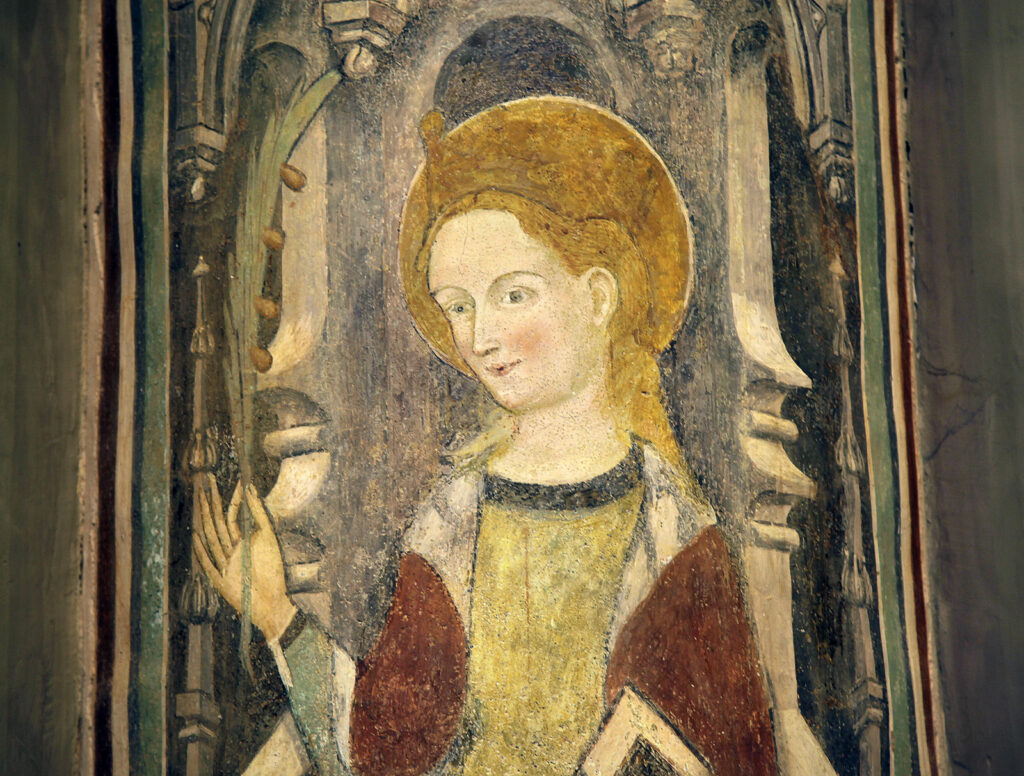
The Bormida Gotica itinerary was conceived with the strategic goal of connecting the medieval architectural and historical-artistic heritage that characterizes the area traversed by the Bormida River, from its source in Liguria to its confluence with the Tanaro in the province of Alessandria. The project, developed through an archival and multidisciplinary approach, encompasses two regions (Piedmont and Liguria), five historical and current dioceses (Mondovì, Alba, Alessandria, Acqui Terme, and Tortona), and twenty-four municipalities: Bardineto, Calizzano, Murialdo, Cosseria, Millesimo, Saliceto, Sale San Giovanni, Paroldo, Mombarcaro, Monesiglio, Prunetto, Levice, Cortemilia, Perletto, Roccaverano, Vesime, Spigno Monferrato, Denice, Cassinasco, Cassine, Cavatore, Castellazzo Bormida, Sezzadio, and Sale.
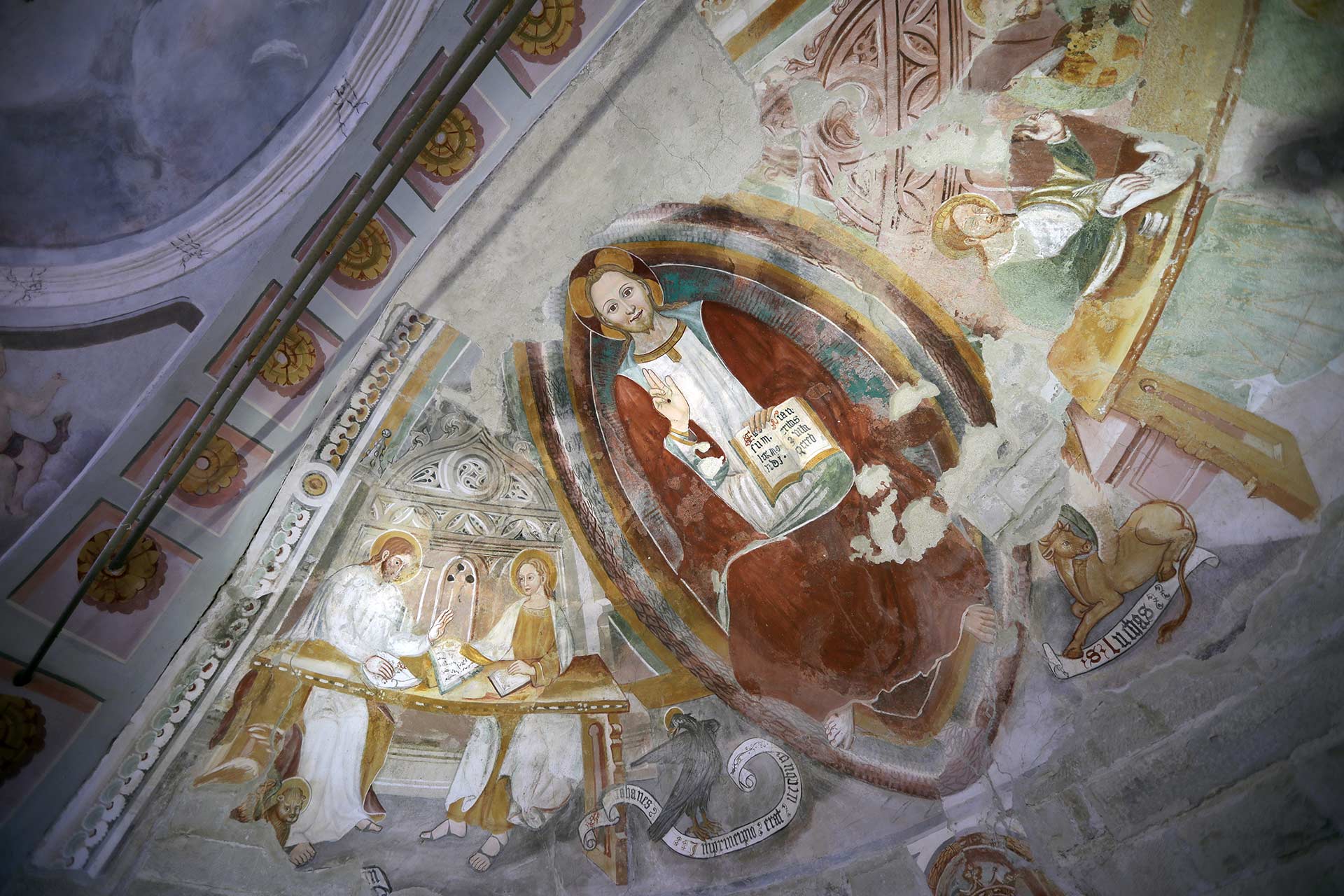
For the first time, thirty-two medieval works are presented together, with a surprising diversity. They convey the devotional requests of ancient parish or cemetery chapels located along a predefined trade route, show military outposts converted into secular oratories in the early modern period, reveal the complex organization of monastic dependencies, and also the refinement of the private commissions of a chapel in a noble castle.
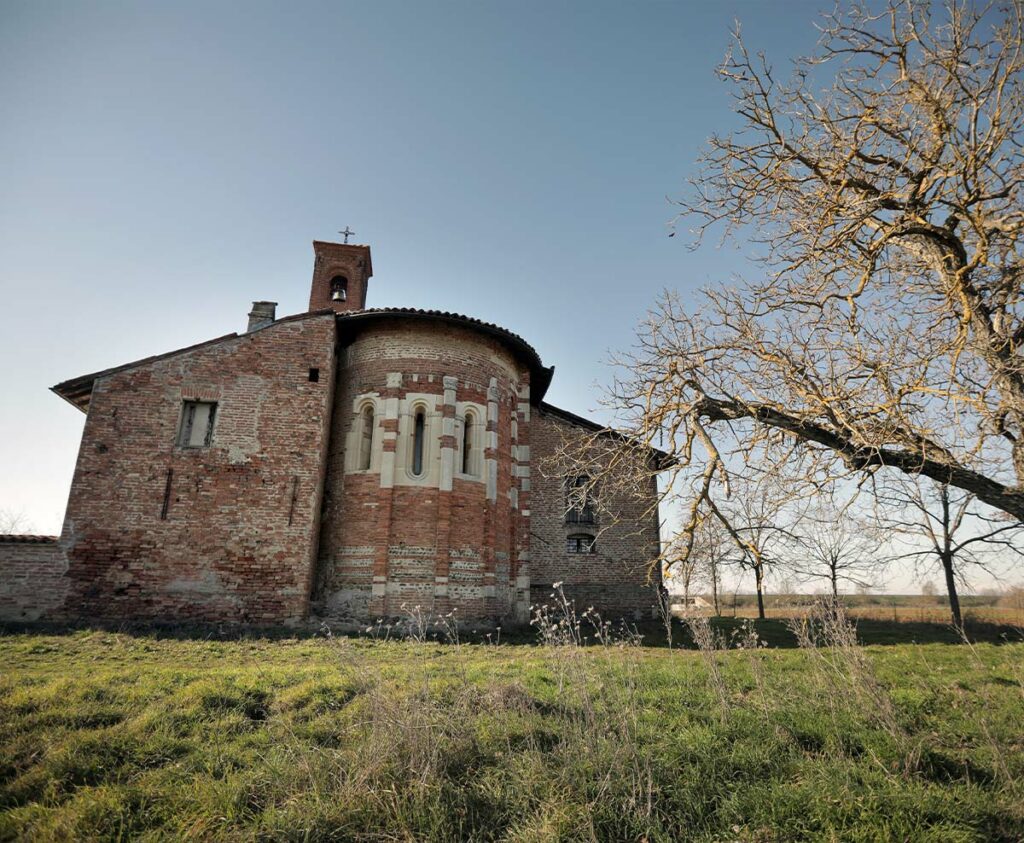
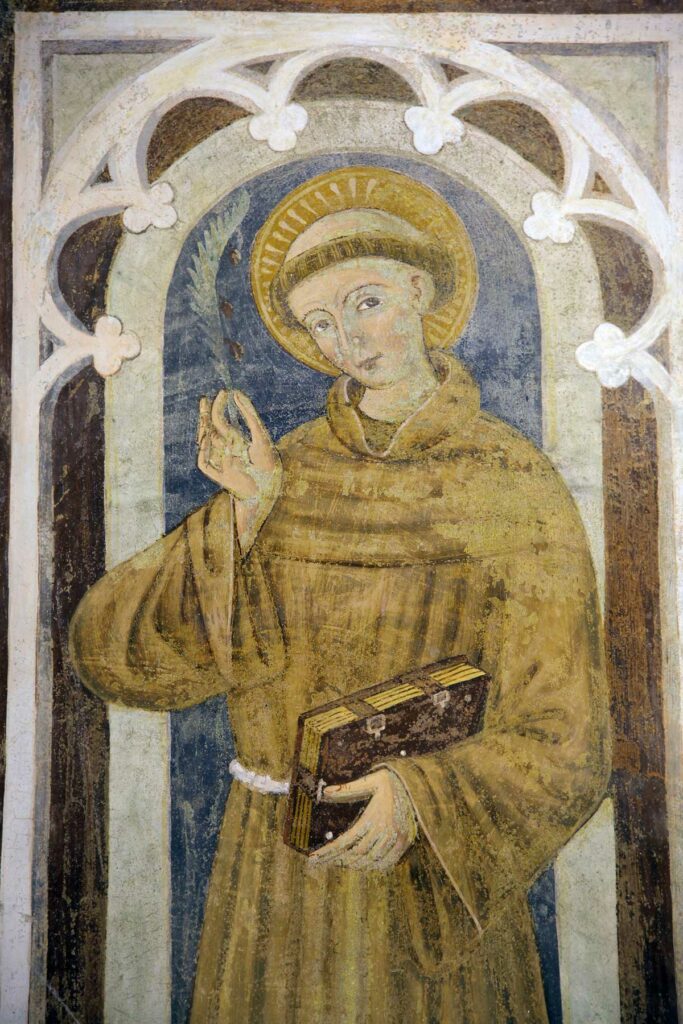
Its original form as a cultural and landscape circuit has fostered an ongoing relationship with the surrounding human and environmental context, giving rise to community meetings, photography exhibitions, workshops, and artistic residencies. Finally, it has also established an operational body headed by the relevant municipal administrations, contributing to a fully collective and participatory dimension.

Bormida Gotica was conceived by Laura Sottovia and the Fondazione Matrice ETS in collaboration with the Alta Langa Cultural Park as lead partner, the 1563 Foundation for Art and Culture of the Compagnia di San Paolo, the DISEG Department of the Polytechnic University of Turin, “Cities and Cathedrals” and “Open Door Churches” (projects of the Regional Council for Ecclesiastical Cultural Heritage), the Territorial Council of the Bormida Valley, the Gente&Paesi Foundation, and the Monastery Museum Association.
With the support of the Compagnia di San Paolo Foundation as part of the “Territori in Luce!” project, the CRT Foundation, the CRC Foundation, and the Piedmont Region as part of the “La Valle Bormida Si Espone” initiative.
The digital catalogue was designed by Alpi Studio.
Editorial coordination, texts, and historical-artistic research were handled by Ludovica Martina for the Fondazione Matrice ETS.
A video and photographic documentation and promotion campaign was curated by Alessandro Rota and Federico Gorgoglione for the Officine Ianòs Cultural Association.
The translation is by Sarah Marder.
We would like to thank all the communities, administrative bodies, cultural associations, archives, and dioceses who enthusiastically contributed to the project.
This site uses standard browser cookies and Google Analytics to help improve the user experience. By continuing to browse, we assume you are fine with this.